


Architecture
Roller Shutter Fitting: Details That Matter
Roller Shutter Fitting: Details That Matter

Roller Shutter Fitting: The Details That Protect Performance
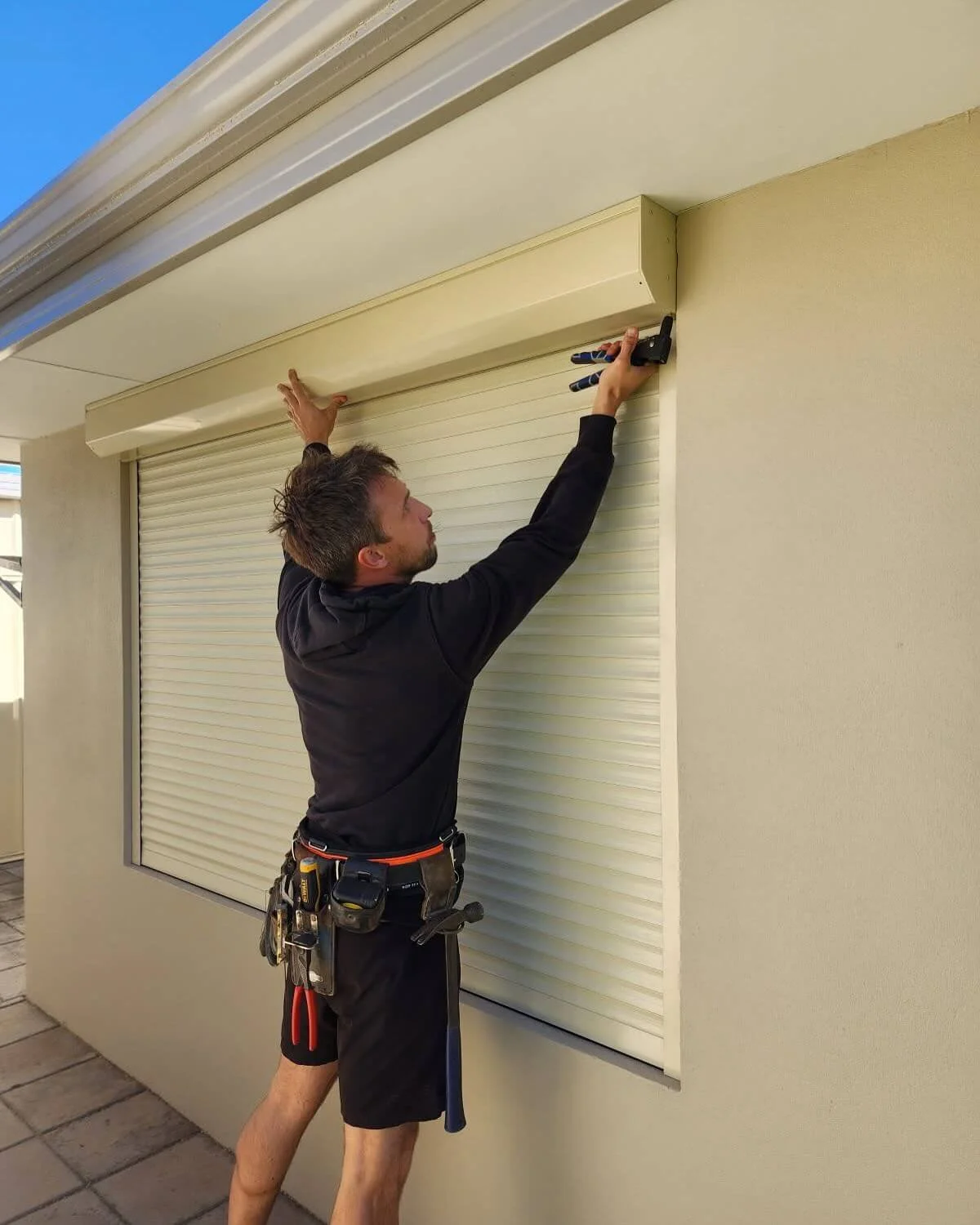
A roller shutter is only as good as the system around it. That is why roller shutter fitting matters as much as the slat, colour, or motor. Good fitting covers measurement, guides, frame, tube, bottom bar, brackets, electrical work, and final testing. Measurement, guides, frame, tube, bottom bar, brackets, electrical work, and final testing all shape the daily result.
At Egypt Shutter, we treat installation as part of the product. The goal is not to place a curtain over a window. The goal is to create a stable, aligned, easy-to-use system that suits the building and the customer’s routine.
Roller Shutter Fitting Begins with Measurement
Every successful installation begins with accurate measurement. First, the team checks the width, height, depth, wall condition, and available fixing points. In addition, the team studies the opening around the frame and the space needed for the box.
A small error can affect the guides, the curtain, or the final finish. Therefore, measurement should happen before the product and motor receive final approval. This step also helps the team identify special conditions, such as uneven walls, limited side clearance, or a wide glass opening.
Clear measurement saves time later. It also reduces the risk of unexpected changes at installation.
The Frame Creates Order and Alignment
The frame connects the shutter to the building. It creates a clean boundary around the opening and supports the guides. When the frame sits square, the curtain can travel with better alignment.
However, the frame should match the wall, the façade, and the selected box. It should not look like an unrelated piece attached at the last minute. A careful installation keeps the visual line calm and the movement consistent.
For premium homes, this detail matters. Clients notice uneven lines, exposed gaps, and careless finishes immediately.
Side Guides Keep the Curtain on Track
Side guides control the movement of the shutter curtain. They help the slats travel vertically and reduce unwanted lateral movement. Their position must remain parallel and secure.
If one side sits out of alignment, the curtain may rub, tilt, or create unnecessary noise. Over time, that friction can affect the system. Consequently, guide alignment deserves careful attention during fitting and testing.
The wall condition also matters. The fixing method should suit the substrate and the weight of the system. A correct guide is not only a visible profile; it is a structural part of the operating path.
The Tube Carries the Working Load
The tube carries the curtain as it rolls. Its size and compatibility must match the shutter, the box, the motor, and the opening. For example, a larger curtain may require a different tube from a small residential window.
Next, the installation team checks the tube position and support points. The motor must sit correctly inside the tube. In the same way, adapters and brackets should fit the selected motor family.
This is one reason that motor selection cannot happen separately from the shutter design. Every component needs to work as one assembly.
Why the Suction Cup and Hanger Matter
Specialist tools can protect both the surface and the installation team. A suction cup helps handle smooth glass, panels, or finished surfaces with controlled grip. It can reduce awkward handling and protect the appearance of the material.
A hanger, bracket, or supporting fixture can hold the shutter or box in position while the team secures the assembly. This support helps maintain the intended alignment during fitting.
These tools may not appear in the final photograph. Nevertheless, they contribute to a cleaner, safer, and more controlled installation.
The Bottom Bar Completes the Movement
The bottom bar gives the curtain a defined closing edge. It helps the shutter meet the lower point and supports the final appearance. Moreover, its alignment affects how the curtain closes and how the system looks from inside and outside.
The bottom bar should move without catching. It should also meet the guides correctly. During final testing, the team checks the closing action and the limit position.
Small movement problems often reveal larger alignment issues. That is why the bottom bar deserves attention rather than a quick visual check.
Motor Installation and Limit Settings
The motor needs correct electrical connection, direction setup, and limit adjustment. First, the installer should confirm which command opens and closes the shutter. Meanwhile, the upper and lower limits should stop the curtain at the intended positions.
A professional test includes repeated cycles. During the test, the team listens for unusual noise and checks whether the curtain moves evenly. Afterwards, the installer should explain safe use and basic care. The technical documents for motor systems highlight the importance of qualified installation, electrical protection, disconnection, and correct limit setting. As a result, these steps protect the motor and improve daily confidence.
The Final Test Is Part of the Service
A shutter should not be handed over after one quick movement. The team should test opening, closing, stopping, control response, alignment, and the interaction between the curtain and guides.
Next, the customer should receive a short explanation. The explanation can cover normal operation, care, unusual sounds, and who to contact for service. This handover turns a technical project into a usable home improvement.
As a result, the customer understands what has been installed and how to use it correctly.
“Good installation is quiet, precise, and almost invisible. You notice the comfort because the details have been handled.”
Egypt Shutter installation principle
AEO Quick Answers
What are the most important roller shutter fitting details?
Measurement, frame alignment, side guides, tube compatibility, motor fitting, bottom bar alignment, limit settings, electrical safety, and final testing.
Why is accurate measurement important?
It helps the team select the right shutter size, box, tube, guides, and motor. It also reduces fitting problems.
What does a suction cup do during installation?
It helps the team handle smooth surfaces with better grip and control, especially around glass or finished panels.
What is the purpose of the hanger or bracket?
It supports the assembly during fitting and helps maintain stable alignment while the team secures the system.
Should the motor be tested before handover?
Yes. The team should test movement, direction, stopping points, limit settings, and control response.
Let the Details Work for You
Premium performance does not come from one feature. It comes from a system assembled with care. Contact Egypt Shutter for a measured survey, a clear specification, and professional installation across the Red Sea region.
Ask for an installation plan that protects the appearance, movement, safety, and long-term value of your shutter.
References
[1] Egypt Shutter official website
[2] Somfy official installation and setup support
Author
Ibrahem Elgoushy
Director
Categories
Popular Posts
November 6, 2026
48-Hour Shutter Installation in Cairo & Giza
October 16, 2026
Holiday Home Roller Shutters in the Red Sea
October 6, 2026
Roller Shutter Installation Day: What to Expect

Related posts

April 6, 2026
Uncompromising Luxury Home Security in the Red Sea

April 16, 2026
Smart Living Redefined: The Benefits of Automated Roller Shutters in El Gouna

April 26, 2026
Architectural Harmony: Roller Shutters into Red Sea Design

May 6, 2026
Long-Term Value of Premium Roller Shutters

May 16, 2026
Sustainable Luxury: Eco-Friendly Roller Shutters for Red Sea Homes
May 26, 2026
Preserving Paradise: Essential Maintenance for Luxury Roller Shutters in Coastal Homes

June 6, 2026
German Engineering Roller Shutters for Luxury Homes

June 16, 2026
The Art Personalizing Your Roller Shutters in El Gouna

June 26, 2026
Roller Shutters Sleep Quality: Enhance Rest in Red Sea Homes

July 6, 2026